Reviewed by the DUI Lawyer Toronto defence teamUpdated
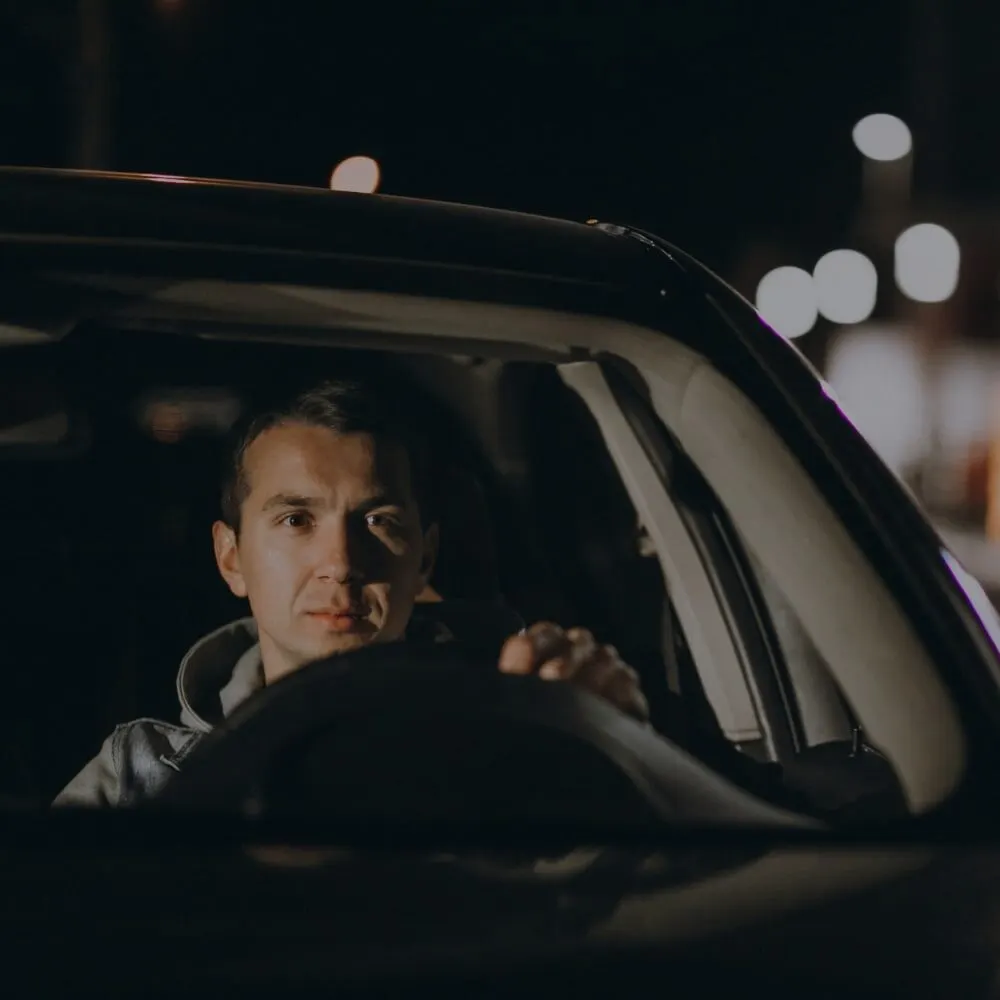
Many people are shocked to learn they can face a DUI charge without driving an inch. If you were found sitting or sleeping in a parked vehicle after drinking or using a drug, police may have charged you with impaired driving or over 80 on the basis of "care and control." A care and control charge in Toronto carries the same criminal consequences as a driving charge, but the law gives you defences that do not exist in ordinary cases. Our team at DUI Lawyer Toronto reviews these charges closely, because the facts often decide them.
What Is a Care and Control Charge?
A care and control charge is an impaired driving or over 80 charge based on a person's control of a vehicle rather than actual driving. The offences themselves are in section 320.14 of the Criminal Code. Since 18 December 2018, the Code uses the word "operate," which includes having care or control of a motor vehicle, whether or not it is moving.
In practice, these charges tend to arise when police find someone:
- asleep behind the wheel in a parking lot, driveway or side street
- sitting in the driver's seat with the engine running for heat or air conditioning
- waiting in a parked car for a ride or for the effects of alcohol to wear off
- in the car after a minor collision or getting stuck in snow
- using a remote starter or holding the keys while sitting inside
Because the underlying offence is the same, you may see both "impaired operation" and "over 80" on your release documents. Our pages on impaired driving and over 80 explain those offences in more detail.
How Is Care and Control Different From Driving?
In an ordinary impaired driving case, the Crown proves that you were driving, usually through an officer who saw the vehicle moving. In a care and control case, there is often no driving at all. Instead, the Crown relies on your position in the car, your access to the controls, and what you might have done next.
That difference matters. It means the case often turns on small details that police may not have recorded carefully: whether the gear selector was in park, whether the headlights were on, where the fob was, how the car was parked, and what you said when officers approached. It also means evidence the police did not collect, such as a rideshare booking or nearby security video, can become central to the defence. Gathering that evidence early is one of the most useful things we can do.
The Section 320.35 Presumption
Section 320.35 creates a presumption that makes these cases easier for the Crown to start. If you were occupying the driver's seat, you are presumed to have been operating the vehicle. The presumption applies unless you establish that you did not intend to set the vehicle in motion.
That shifts an important burden onto the accused person. Evidence that can help rebut the presumption often includes:
- a clear plan to get home another way, such as a booked taxi, a rideshare app record or a friend on the way
- a reason for being in the driver's seat that has nothing to do with driving, such as keeping warm or charging a phone
- where the keys were, and whether the engine was running
- text messages, call logs or witnesses showing what you intended to do
Rebutting the presumption does not end the analysis. The court can still find care or control based on your actual conduct. That is where the realistic risk test becomes central.
Realistic Risk of Danger: R. v. Boudreault
In R. v. Boudreault, 2012 SCC 56, the Supreme Court of Canada confirmed that care or control requires a realistic risk of danger to persons or property. A risk that is merely theoretical is not enough. The risk must be realistic, although it does not have to be probable.
Courts usually ask whether there is a realistic risk that:
- the person might change their mind and drive while still impaired
- the vehicle could be set in motion unintentionally, for example by bumping the gear shift
- the parked vehicle itself could cause harm, for example if it is stopped in a live lane or on a highway shoulder
If the Crown cannot prove a realistic risk beyond a reasonable doubt, the charge should not succeed. In one of our files, a client found asleep in the driver's seat of a parked car in a midtown Toronto lot had his care and control charge dismissed after the court found no realistic risk of danger. Every case is different, and past results do not predict future outcomes, but it shows how important the details are.
"Sleeping It Off" in Your Car
Choosing to sleep in your car instead of driving home can feel responsible. Unfortunately, the law does not automatically treat it that way. Where you slept, and how, can make the difference.
Facts that often help the defence include sleeping in the back seat, the engine off, the keys away from the ignition or out of easy reach, the car lawfully parked off the road, and a plan for getting home once sober. Facts that tend to help the Crown include being in the driver's seat, the engine running, the headlights on, the car parked somewhere it could cause a hazard, or statements that you planned to drive "in a bit."
None of these factors is automatically decisive. A judge weighs the whole situation. Our blog post on what a care and control charge means in Ontario gives more everyday examples.
Remote Starters, Keys and Running Engines
Modern vehicles have made these cases more complicated. Push-button ignitions, key fobs and remote starters mean a car can be running while the keys are in a pocket or bag. Courts look at how easily the vehicle could be put into motion and whether the person was likely to do so.
Running the engine for heat on a cold Toronto night is one of the most common fact patterns. It is not a defence on its own, but it can be part of an innocent explanation when combined with evidence that you had no intention of driving and that there was no realistic risk the car would move.
Penalties for Care and Control in Ontario
Care and control is not a lesser offence. A conviction carries exactly the same penalties as impaired driving or over 80.
| First offence | Second offence | Third or subsequent | |
|---|---|---|---|
| Mandatory minimum | $1,000 fine | 30 days in jail | 120 days in jail |
| Criminal Code driving prohibition | 1 to 3 years | 2 to 10 years | At least 3 years, no maximum |
| Ontario suspension on conviction | 1 year | 3 years | Lifetime (may be reduced after 10 years if conditions are met) |
On a first offence, the minimum fine is higher where a blood alcohol concentration of 120 mg or more is proven. A conviction also means a criminal record, Ontario's Back on Track remedial program, and an ignition interlock condition after reinstatement.
Provincial consequences can start right away. If a breath test showed a BAC over 80, or if you refused, you likely received a 90-day Administrative Driver's Licence Suspension and a 7-day vehicle impoundment, even though you were not driving. For more, see our overview of DUI fines and penalties.
Defences to a Care and Control Charge in Toronto
A care and control lawyer will look for weaknesses at every stage. Depending on the evidence, defences may include:
No intention to drive
Rebutting the section 320.35 presumption with evidence of a safe plan and a non-driving reason for being in the car.
No realistic risk of danger
Showing that, on the facts, any risk was remote or theoretical: the car was lawfully parked, the engine was off or safely engaged, and there was no sign you were about to drive.
Charter breaches
The same rights apply as in any DUI case. Police must have lawful grounds to detain you and to demand samples (sections 8 and 9), and after arrest they must give you a real opportunity to speak with a lawyer without delay (section 10(b)). A breach can lead to exclusion of evidence under section 24(2).
Problems with the breath or blood evidence
Over 80 allegations still depend on proper testing, accurate timing and complete disclosure, including Intoxilyzer records, maintenance logs, officer notes and video.
Delay
Cases in the Ontario Court of Justice should generally finish within 18 months under R. v. Jordan. Unreasonable delay may lead to a stay.
Where Care and Control Cases Are Heard in the GTA
Most of these charges are heard in the Ontario Court of Justice in the region where you were found. Toronto Police Service charges go to the Ontario Court of Justice, Toronto Courthouse. Charges laid in Vaughan, Markham or Richmond Hill by York Regional Police are heard in Newmarket, and Peel Regional Police cases from Brampton and Mississauga go to the A. Grenville and William Davis Courthouse. Knowing how each court handles these fact-driven trials helps us prepare.
What to Do Next
Write down exactly where the car was, where you were sitting, where the keys were, whether the engine was running and why, and what your plan was for getting home. Save texts, app records and receipts that support your account. Then get advice before your first court date. Our guide to what to do after being charged with a DUI is a good starting point, and our team is available 24/7 through our contact page.
Care and Control: frequently asked questions
Can I be charged with a DUI if I was sleeping in my parked car?
Yes. Police can lay a care and control charge when someone who has been drinking or using drugs is found in a parked car, even if it never moved. Section 320.35 presumes a person in the driver's seat is operating the vehicle unless they show they did not intend to set it in motion. The Crown must still prove a realistic risk of danger, so the details of where you were sitting and why matter a great deal.
What is the realistic risk of danger test?
The Supreme Court of Canada held in R. v. Boudreault, 2012 SCC 56, that care or control requires a realistic risk of danger to people or property, not just a theoretical one. The court looks at whether you might change your mind and drive, whether the car could be set in motion by accident, or whether the parked car itself created a hazard. If the risk is only remote, the charge should fail.
Does having the keys in the ignition mean I will be convicted?
Not necessarily. Keys in the ignition, or a running engine, are important facts that can help the Crown show a risk of danger, but they are not automatically decisive. Courts look at the whole picture, including where the car was parked, whether you had a safe plan to get home, where you were sitting, and the reason the engine was on. Each case turns on its own facts and evidence.
Are the penalties for care and control less serious than for impaired driving?
No. Care and control is not a separate, lighter offence. It is a way of committing impaired driving or over 80, so a conviction carries the same penalties. A first offence brings a minimum $1,000 fine, a driving prohibition of one to three years, a one-year Ontario licence suspension, the Back on Track program and an ignition interlock condition. Second and third offences carry mandatory jail.
Is it safer to sleep in the back seat after drinking?
Sitting away from the driver's seat can matter, because the section 320.35 presumption applies to a person occupying the driver's seat. A court can still consider other facts, such as access to the keys and whether the engine was running. The safest choice is always to arrange another way home. If you have already been charged, speak with a DUI lawyer about how your position in the car affects the case.