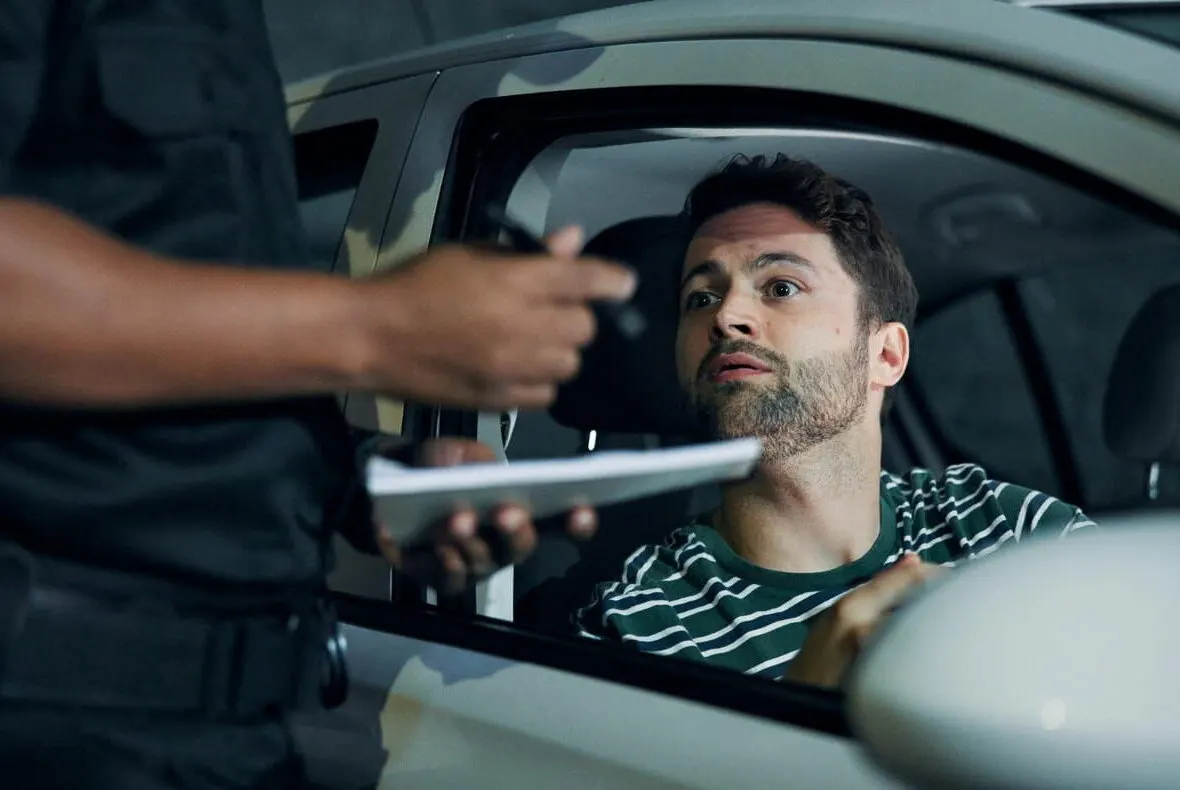
By Jordan EllisReviewed by the DUI Lawyer Toronto defence teamUpdated 6 min read
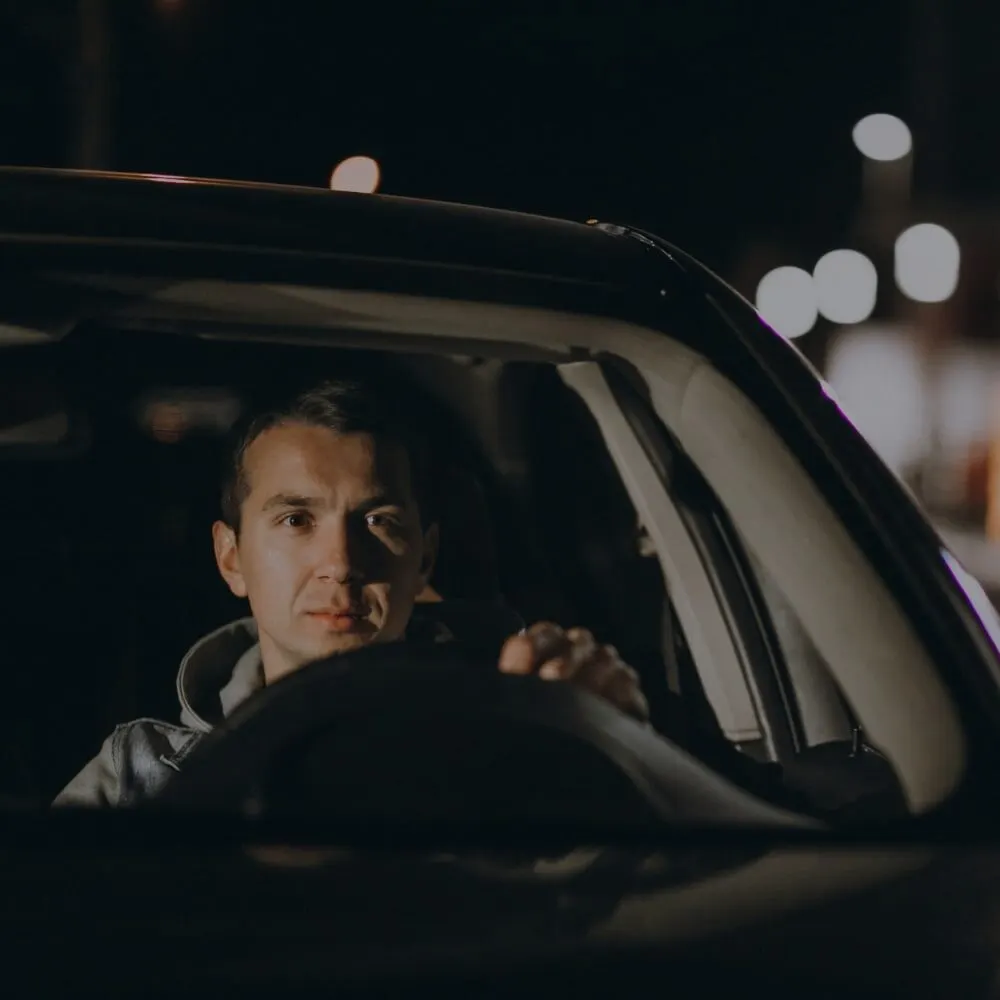
Care and control means you can be charged with an impaired driving offence in Ontario without ever moving the vehicle. If you are in a parked car while impaired or over the legal limit, and there is a realistic risk of danger that the vehicle could be set in motion or otherwise put people at risk, the law treats you as operating it. Sitting in the driver's seat creates a legal presumption against you, but that presumption can be rebutted and the risk of danger can be challenged.
Many people are surprised to learn that "sleeping it off" in the car can lead to the same charge as driving home. This guide explains what care and control means, how the courts apply it, and how a care and control charge can be defended.
What does care and control mean under the Criminal Code?
The impaired driving offences in section 320.14 of the Criminal Code apply to anyone who operates a vehicle, and the law treats having care or control of a vehicle as a form of operating it. In practical terms, you can be charged if you are in a position to use the vehicle while you are:
- Impaired to any degree by alcohol, a drug or both (section 320.14(1)(a)).
- At or above 80 mg of alcohol per 100 mL of blood within two hours (section 320.14(1)(b)), the offence commonly called over 80.
- At or above a prescribed drug concentration, such as 5 ng/mL of THC.
Because care and control is simply another way of committing these offences, the penalties are identical. A first conviction carries a mandatory minimum fine of $1,000, a driving prohibition of one to three years and a criminal record. Ontario adds a one-year licence suspension on conviction, the Back on Track program and an ignition interlock condition when your licence returns.
The driver's seat presumption in section 320.35
Section 320.35 gives the Crown a head start. If you are found in the driver's seat, you are presumed to have been operating the vehicle unless you establish that you did not intend to set it in motion.
That shifts the burden to you on the question of intention. Evidence that can help rebut the presumption includes:
- Text messages or call logs showing you arranged a ride, a taxi or a rideshare.
- A sober friend or family member who was on the way to pick you up.
- A clear reason for being in the car other than driving, such as retrieving belongings or waiting out bad weather, supported by what the officers saw.
Rebutting the presumption does not end the case automatically. The Crown can still try to prove care or control on the facts, which brings in the realistic risk test.
R. v. Boudreault: the realistic risk of danger test
In R. v. Boudreault, 2012 SCC 56, the Supreme Court of Canada held that care or control requires a realistic risk of danger to persons or property. The risk must be realistic, not merely theoretical. Being drunk near a car is not, by itself, enough.
Courts generally look at the kinds of danger that can arise from an impaired person with access to a vehicle: that the person might change their mind and drive, that the vehicle might be set in motion by accident, or that the vehicle is parked somewhere that creates danger on its own. Factors that often matter include:
- Where the keys were, and whether the vehicle could be started easily.
- Whether the engine, lights or heater were running.
- Where you were sitting and what you were doing.
- Where the vehicle was parked, for example in a private lot versus on the shoulder of a busy road.
- How impaired you appeared to be.
- Whether you had a reliable alternative plan to get home.
Common care and control scenarios
| Scenario | Why police lay a charge | Questions a defence may raise |
|---|---|---|
| Asleep in the driver's seat | The presumption applies and the keys are often nearby | Was the engine off? Were the keys out of reach? Was there a ride on the way? |
| Engine running for heat | The vehicle can be moved in seconds | Was the vehicle in park? Was it parked safely off the road? What was the plan? |
| Keys in your pocket, sitting in the back or passenger seat | Police argue you could move to the wheel | No presumption applies; was the risk realistic? |
| Waiting with a disabled vehicle | You are with the car at the roadside | Could the vehicle even move? Was help already called? |
Sleeping it off in the driver's seat
This is the classic care and control case. People often believe they are doing the responsible thing by not driving. Unfortunately, choosing the driver's seat triggers the presumption, and keys in the ignition or cup holder make the risk of danger easier to argue.
Running the engine for heat or air conditioning
In a Toronto winter, running the engine to stay warm is understandable. But a running engine means the car could be put in gear at any moment, which is exactly the kind of risk the courts consider. If you must wait in a car after drinking, keeping out of the driver's seat and away from the controls is far safer.
Keys in your pocket
Keys in a pocket are not the same as keys in the ignition, but they are not a complete answer either. The court will consider how quickly you could have started the vehicle and whether anything suggested you might.
Defences to a care and control charge
Every case depends on its evidence, but defences commonly focus on:
- Rebutting the presumption. Showing, with objective evidence, that you did not intend to drive.
- No realistic risk of danger. The vehicle was inoperable, the keys were with someone else or locked away, the car was safely parked, or a reliable ride was on the way.
- Charter issues. Whether the detention, the breath demand and your right to counsel under sections 8, 9 and 10(b) of the Charter were respected. Evidence obtained in breach of those rights can be excluded under section 24(2).
- The alcohol or drug evidence. The same scrutiny of breath readings, instrument records and officer observations that applies in any impaired driving case.
In one of our care and control case results, a client found asleep in the driver's seat of a parked vehicle, with the engine off, had the charge dismissed after the court found no realistic risk of danger. Past results do not predict future outcomes, but that case shows how closely courts examine the facts.
What to do if you are charged with care and control
Start preserving evidence right away. Save text messages, call logs and rideshare app records from that night. Write down where the keys were, whether the engine was running and who you were waiting for. Get the names of anyone who can confirm your plan to get home another way.
Remember that the provincial side still applies. A roadside fail or a station reading over 80 can bring a 90-day Administrative Driver's Licence Suspension and a vehicle impoundment even before your first court date. Care and control charges are heard across the GTA, from Toronto to Scarborough and Brampton, and our DUI defence guide explains how a case moves through the Ontario Court of Justice.
Talk to a care and control lawyer
Care and control cases are often decided on small details: the location of a key fob, the sound of an engine, a text message sent before police arrived. If you were charged while sitting in a parked car, our Toronto DUI defence team can review what happened, explain how the presumption and the realistic risk test apply to you, and help you decide on next steps.
Common questions
Can you get a DUI for sleeping in your car in Ontario?
Yes, you can be charged. If you are impaired or over the legal limit and asleep in the driver's seat, the law presumes you had care or control of the vehicle. A conviction still requires a realistic risk of danger, so the details matter, such as where the keys were, whether the engine was running, where the car was parked and whether you had a reliable plan to get home another way.
Is it care and control if the engine is off?
It can be. The engine being off does not prevent a charge, because the question is whether there was a realistic risk that the vehicle could be set in motion or otherwise create danger. An engine that is off, with the keys out of reach, makes that risk harder for the Crown to prove, and it is often an important part of the defence.
Can I sit in my car with the engine running to stay warm after drinking?
It is risky. Running the engine for heat is one of the most common ways people end up facing care and control charges in Ontario winters. With the engine on and the controls within reach, police and courts may see a realistic risk that the vehicle could be moved, even if you never meant to drive. Waiting somewhere else, or away from the driver's seat, is safer.
What is the penalty for care and control in Ontario?
Care and control is treated as a form of operating a vehicle, so a conviction carries the same penalties as impaired driving or over 80. For a first offence, that includes a mandatory minimum fine of $1,000, a driving prohibition of one to three years, a criminal record, and provincial consequences such as a one-year licence suspension, Back on Track and an ignition interlock condition.
Does sitting in the back seat mean I cannot be charged?
Not necessarily. The presumption in section 320.35 applies to the driver's seat, so sitting elsewhere removes it. Police can still try to prove care or control directly by showing a realistic risk of danger, for example if the keys were in your hand and the engine was running. Sitting in the back seat with the keys put away is usually a far stronger position.