By Jordan EllisReviewed by the DUI Lawyer Toronto defence teamUpdated 6 min read

In Ontario, it is a Criminal Code offence to have 2 ng/mL or more of THC in your blood within two hours of driving. A level between 2 and 5 ng/mL is a lesser offence punishable by a fine of up to $1,000, while 5 ng/mL or more, or a combination of 50 mg of alcohol and 2.5 ng/mL of THC, carries the same penalties as impaired driving. Police can also charge you with drug-impaired driving based on how you appear and perform, whatever your THC level.
Cannabis is legal to buy and use in Canada, but driving after using it is tightly regulated. This guide explains the THC limits, how police test for cannabis, and how a drug-impaired driving charge is defended.
What are the THC limits for driving in Canada?
The Criminal Code sets blood drug concentration limits measured within two hours after you stop driving. They apply everywhere in Canada, including across the GTA.
| Blood level within two hours | Offence | Penalty |
|---|---|---|
| 2 ng/mL to under 5 ng/mL of THC | Lesser offence, s. 320.14(4) | Fine of up to $1,000 |
| 5 ng/mL of THC or more | s. 320.14(1)(c) | Same as impaired driving |
| 50 mg of alcohol plus 2.5 ng/mL of THC or more | s. 320.14(1)(d) | Same as impaired driving |
| Any level, with impairment | s. 320.14(1)(a) | Same as impaired driving |
"Same as impaired driving" means a mandatory minimum fine of $1,000 for a first offence, a driving prohibition of one to three years and a criminal record. A second offence carries a minimum of 30 days in jail. Ontario adds its own consequences, including a one-year licence suspension on a first conviction. Our first offence DUI page explains those penalties in detail.
The 2 to 5 ng/mL offence is often described as minor, but it is still prosecuted under the Criminal Code, not as a provincial ticket. It deserves the same careful review of the evidence as any other charge.
How do police test drivers for cannabis?
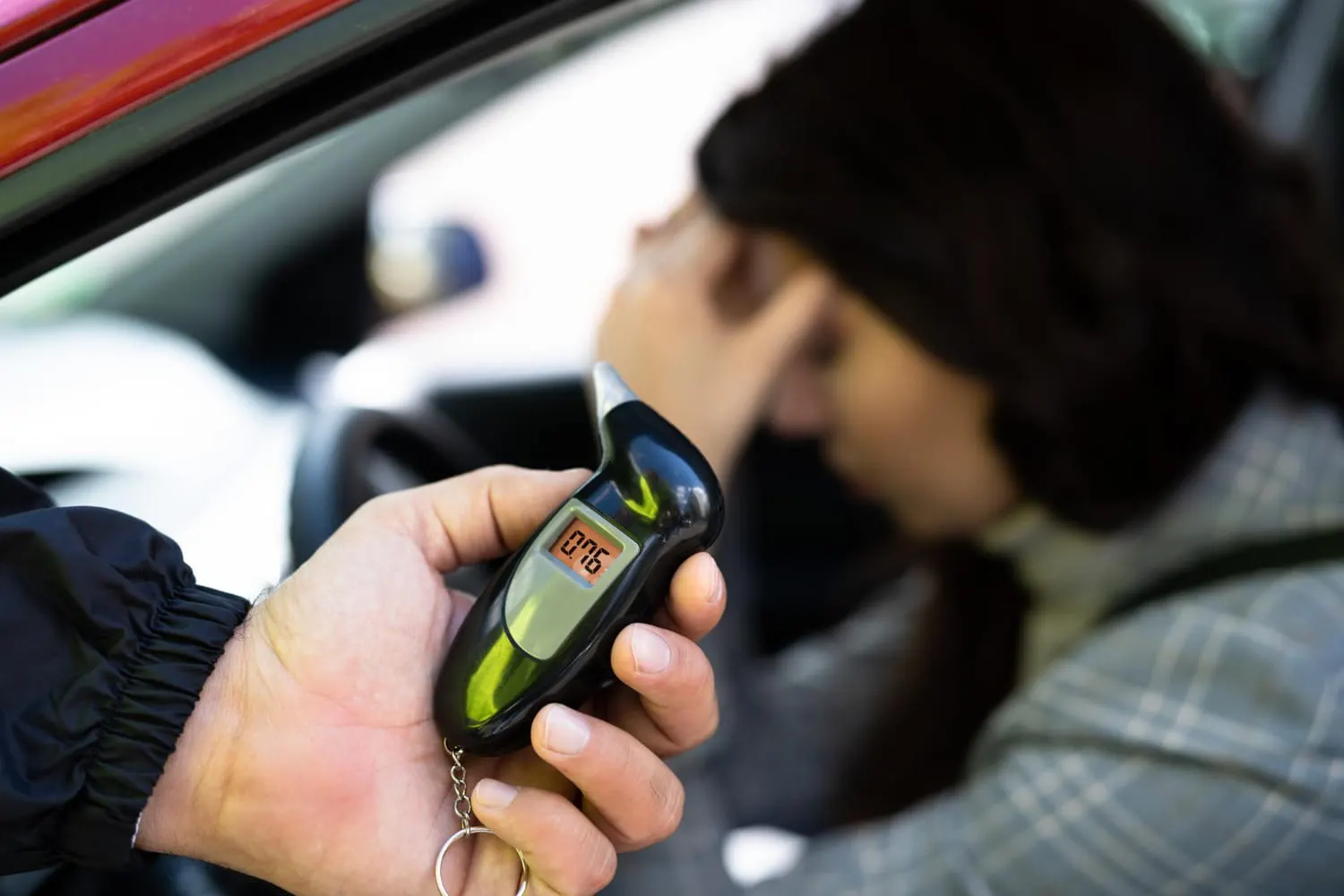
Unlike alcohol, there is no roadside device that gives a simple pass, warn or fail for impairment by cannabis. Police rely on a combination of screening, observation and testing.
Oral fluid screening at the roadside
An officer who suspects drug use can demand an oral fluid sample using approved drug screening equipment. A positive result suggests the presence of THC. It does not measure impairment or give a blood level, but it can give the officer grounds for further testing.
Drug recognition evaluation
A drug recognition evaluation is a structured series of physical and observational tests carried out at the station by a specially trained officer, usually followed by a demand for a bodily fluid sample. If the evaluating officer concludes you were impaired by a drug, Ontario imposes a 90-day Administrative Driver's Licence Suspension and a 7-day vehicle impoundment right away, separate from the criminal case.
Blood samples
The blood concentration offences depend on an actual blood level. Police can demand a blood sample on reasonable grounds, and the analysis of that sample becomes central evidence. Failing or refusing any of these demands without a reasonable excuse is its own offence under section 320.15, handled much like a breath test refusal.
Zero tolerance for novice and young drivers
Ontario applies zero tolerance for alcohol and drugs to novice drivers (G1, G2, M1 and M2) and to drivers aged 21 and under. Any detectable cannabis can lead to a roadside licence suspension, even if the level is below the Criminal Code limits and even if you do not feel affected.
For young drivers, that suspension can interfere with graduated licensing and insurance. Our article on G2 licence restrictions in Ontario covers the rules for novice drivers.
Is medical cannabis a defence?
No. A medical authorization lets you possess and use cannabis, but it does not allow you to drive while impaired. The blood concentration offences also do not contain an exception for medical users.
That said, medical use can be relevant to the facts of a case. Regular users may carry THC in their system long after any effect has faded, and understanding a person's usage pattern can matter when the Crown relies on a blood level or on an officer's observations.
How long does THC stay in your system?
There is no simple answer, and we do not recommend relying on any rule of thumb. How long THC remains detectable depends on how much was used, how it was consumed, how often you use cannabis and your own body. Edibles can take longer to take effect than smoking, and their effects can last longer.
Two points are important. First, THC can remain in the blood and oral fluid after the high is over, especially for frequent users. Second, detection is not the same as impairment. THC levels do not rise and fall with impairment in the simple, predictable way that alcohol levels tend to, which is one reason these cases raise distinct scientific questions.
Combining alcohol and cannabis
The combined limit catches drivers who might otherwise fall under each limit on its own. A blood alcohol concentration of 50 mg on its own falls in Ontario's warn range, which brings a roadside suspension but is not a criminal offence. Add 2.5 ng/mL of THC and it becomes a criminal charge with full impaired driving penalties.
Police can also charge impairment by a combination of alcohol and a drug under section 320.14(1)(a), based on observed impairment rather than a specific level.
What happens after a cannabis driving charge?
A cannabis charge usually starts two separate processes. On the provincial side, a drug recognition evaluation finding impairment brings the 90-day suspension and 7-day impoundment immediately, before any court date. Our article on the 90-day ADLS explains how that suspension works.
On the criminal side, you will receive a court date, and most cases in the GTA are heard in the Ontario Court of Justice. Your lawyer will request disclosure, which in a drug case can include the screening results, the evaluating officer's notes and forms, any video, and the laboratory analysis of the blood or fluid sample. Reviewing that material closely is where most defences begin.
Defending a cannabis-impaired driving charge
Drug-impaired driving cases often raise more complex scientific and procedural questions than alcohol cases. Areas a defence may examine include:
- The screening demand. Whether the officer had a proper basis to demand an oral fluid sample.
- The drug recognition evaluation. Whether each step was followed, and whether fatigue, nerves or a medical condition could explain the officer's observations.
- The blood sample. When it was taken, how it was handled and stored, and whether the analysis is reliable.
- Timing. Whether the Crown can link the level to the two-hour window.
- Charter rights. Whether your detention, the searches and your right to counsel under sections 8, 9 and 10(b) were respected.
These issues arise the same way whether you were stopped on a highway near Markham, in Brampton or downtown Toronto. Our guide to DUI fines and penalties sets out what is at stake if a case is not successfully defended.
Talk to a drug-impaired driving lawyer
A cannabis charge can feel confusing, especially if you felt completely sober when you were stopped. Our Toronto DUI defence team can review the screening results, the evaluation and the blood evidence, explain where the Crown's case may be vulnerable, and help you decide how to respond.
Common questions
What is the legal THC limit for driving in Ontario?
Under the Criminal Code, it is an offence to have 2 ng/mL or more of THC in your blood within two hours of driving. Between 2 and 5 ng/mL is a lesser offence with a fine of up to $1,000. At 5 ng/mL or more, or with 50 mg of alcohol plus 2.5 ng/mL of THC, the penalties match impaired driving. Novice drivers and drivers 21 and under must have no cannabis at all.
Can I be charged if I used cannabis the day before driving?
Possibly. THC can remain in the blood and oral fluid after the effects have worn off, especially for regular users, so a person who feels sober may still test positive. There is no reliable waiting period that ensures a level under the legal limit. If you have been charged in this situation, the timing of use and testing can be an important part of the defence.
Is medical cannabis a defence to impaired driving?
No. A medical authorization allows you to possess and use cannabis, but it does not permit you to drive while impaired. The blood concentration offences also do not contain an exception for medical users. Medical use can still be relevant to the facts, for example in explaining your usage pattern, but it is not a defence on its own.
What happens if a G2 driver has cannabis in their system?
Ontario applies zero tolerance to novice drivers, including G1, G2, M1 and M2 licence holders, and to drivers aged 21 and under. Any detectable alcohol or drugs can lead to a roadside licence suspension. If the level also reaches a Criminal Code limit, or the driver appears impaired, criminal charges can follow as well.
Can police test for cannabis at the roadside?
Yes. Police can demand an oral fluid sample using approved drug screening equipment when they suspect drug use. A positive result can lead to a drug recognition evaluation at the station or a blood demand. Refusing a lawful demand without a reasonable excuse is a separate criminal offence under section 320.15.